Streamlining Reward Coordination in Integrated Prediction Markets and Wagering Platforms
Hugo Ludwig · Nov 12, 2026
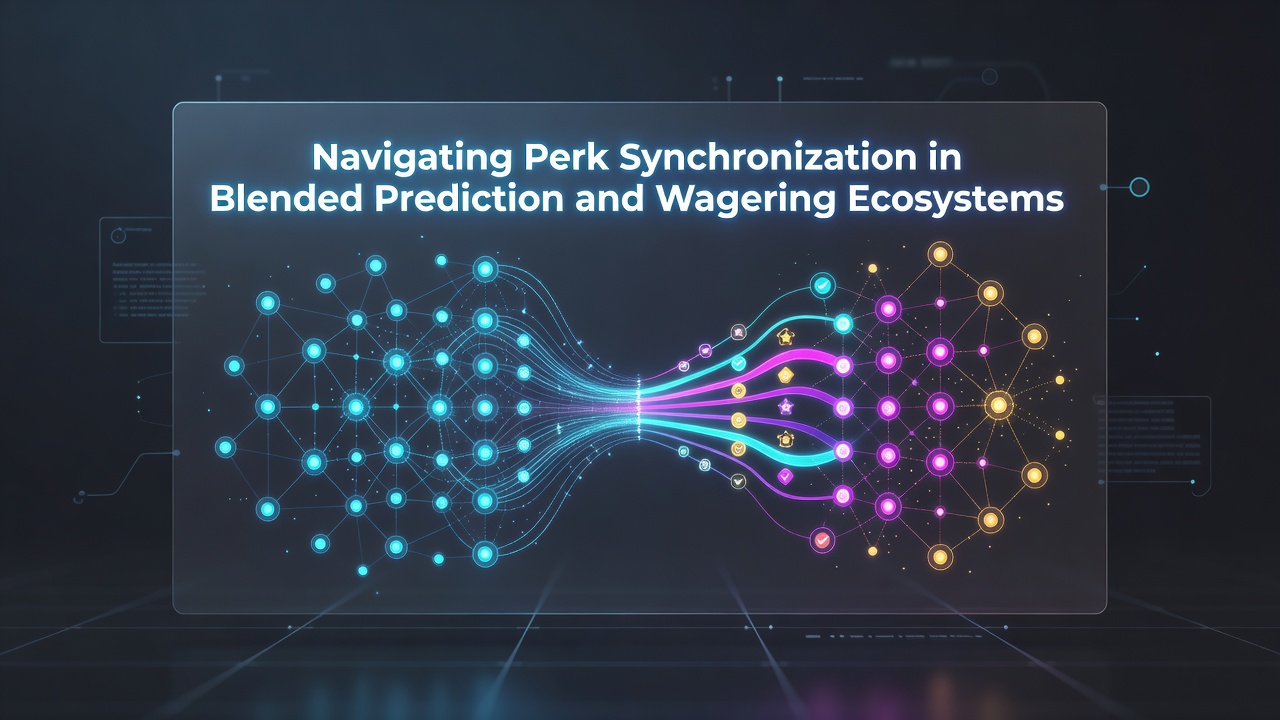
Streamlining Reward Coordination in Integrated Prediction Markets and Wagering Platforms
Operators in prediction markets and traditional wagering platforms face growing pressure to align incentive structures as these sectors converge, and observers note that synchronization requires careful tracking of user activity across multiple verticals. Data from industry reports indicate that blended ecosystems now handle overlapping user bases where a single participant might engage with event forecasting tools and sports wagering interfaces within the same session, which creates opportunities for coordinated perks but also risks of duplication or missed eligibility.
Defining Perk Synchronization Mechanisms
Perk synchronization refers to the process of aligning bonus structures, loyalty points, and promotional credits so that activity in one segment triggers or enhances rewards in another, and researchers have documented how platforms achieve this through shared user profiles and real-time data feeds. Studies show that when prediction market outcomes feed into wagering odds engines, operators can layer incentives such as boosted multipliers or extended rollover periods that apply across both environments without violating platform-specific rules.
Those who manage these systems emphasize the use of centralized dashboards that monitor contribution thresholds from forecasting contracts alongside betting volumes, which allows for automatic credit issuance when combined targets are met. Figures from 2026 reveal increasing adoption of application programming interfaces that pull data from both prediction and wagering modules, reducing manual reconciliation errors that previously delayed reward delivery.
Technical and Regulatory Considerations in November 2026
By November 2026, platform developers have introduced updated compliance layers that flag potential conflicts when a perk earned in a prediction market might influence wagering behavior in restricted jurisdictions, and regulators continue to examine how these crossovers affect responsible gaming standards. External oversight bodies such as the Canadian Gaming Association have issued guidance documents outlining data separation requirements that operators must satisfy before deploying synchronized reward engines.
One case documented by industry analysts involved a European operator that linked prediction contract settlements to casino-style loyalty tiers, resulting in seamless point transfers that users accessed through a single mobile application. The approach relied on timestamped activity logs to ensure that rewards reflected genuine participation rather than artificial inflation across verticals.
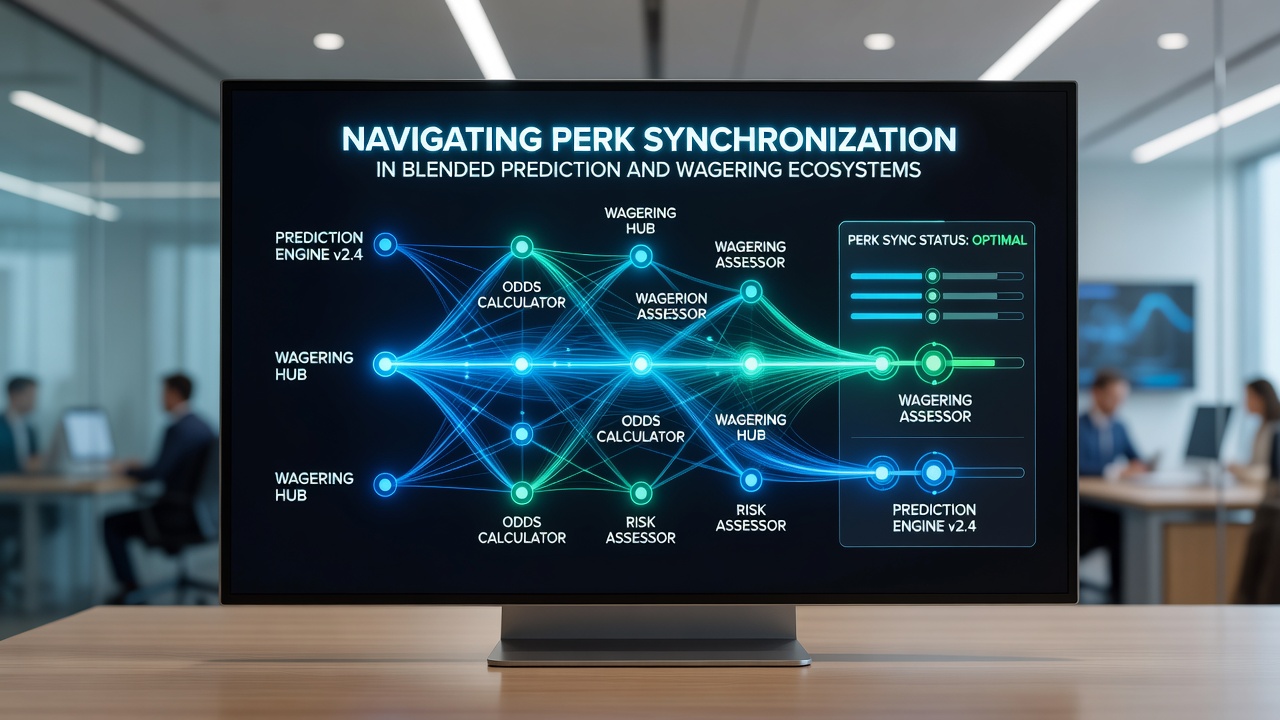
Practical Navigation Strategies for Users and Operators
Users navigating these ecosystems often start by reviewing unified terms that list eligibility criteria for combined promotions, and experts recommend checking account settings for opt-in toggles that enable cross-platform tracking. Operators, meanwhile, deploy segmented testing environments to verify that synchronization scripts function correctly before rolling them out to live traffic, which minimizes disruptions during peak event windows.
Research conducted by academic teams at institutions focused on digital economies highlights how machine learning models predict when a user is likely to qualify for multiple perk categories simultaneously, allowing platforms to surface personalized notifications at optimal moments. These models draw on historical patterns from both prediction contract volumes and wagering stake data, producing recommendations that operators then validate against regulatory checklists.
Platforms have also adopted tiered access protocols where higher synchronization levels unlock additional features, such as shared leaderboards that aggregate performance metrics from forecasting accuracy and betting returns. Observers note that such features encourage sustained engagement while maintaining clear audit trails for compliance reviews.
Emerging Patterns and Data Integration
Integration tactics continue to evolve as companies consolidate datasets from prediction market ledgers and traditional betting transaction histories, and reports indicate that successful implementations reduce customer support queries related to missing rewards by significant margins. A joint study released through the Australian Gambling Research Centre examined several blended platforms and found that synchronized systems improved retention metrics when users received consolidated statements detailing contributions from each activity type.
Yet challenges persist around timing discrepancies, particularly when prediction market resolutions occur after wagering events close, which can delay perk calculations unless operators maintain buffer periods in their synchronization schedules. Developers address this by building in grace intervals that allow pending activity to count toward combined thresholds without forcing immediate decisions.
Conclusion
Coordination of rewards across prediction markets and wagering platforms depends on robust technical infrastructure, clear regulatory alignment, and transparent user communication, and ongoing developments through late 2026 suggest continued refinement of these processes. Those tracking the sector report that platforms investing in unified data architectures achieve more consistent perk delivery while satisfying oversight requirements from multiple jurisdictions.